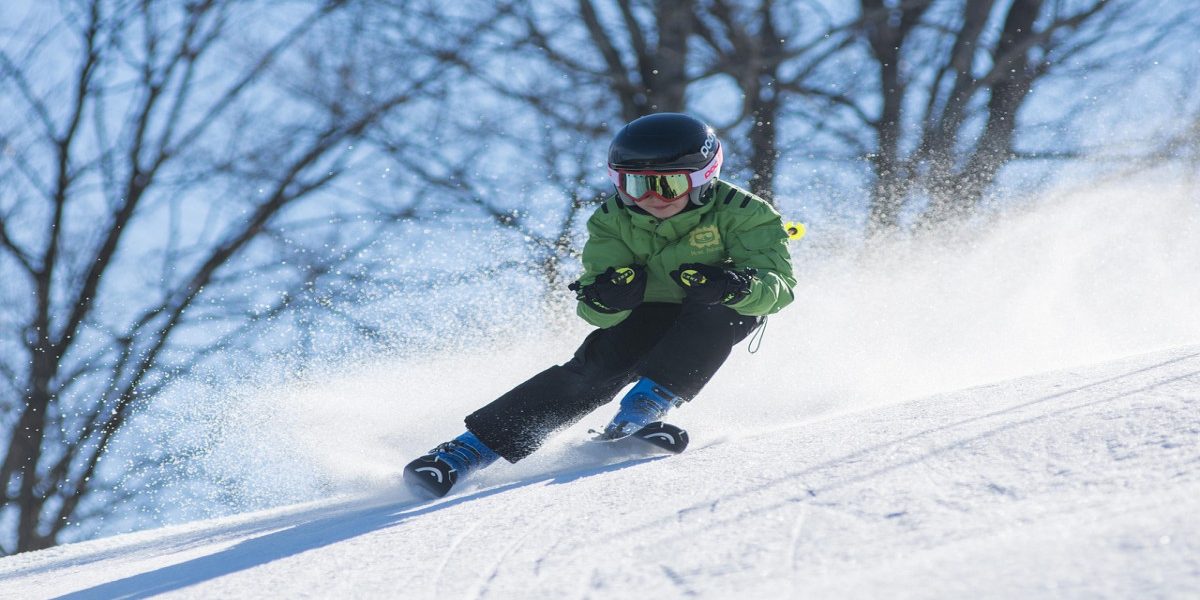

Winter Tours Pakistan: A Guide to Snowy Escapes and Skiing
Pakistan’s northern mountain ranges transform into a winter wonderland from December to March, offering pristine snow, dramatic peaks and some of the region’s most exciting ski slopes. Whether you are a seasoned skier, a snow‑shoe enthusiast, or simply want to experience the magic of a Himalayan winter, this guide covers the top destinations, essential travel tips and practical information to help you plan a safe and unforgettable trip.
Why Choose Pakistan for a Winter Getaway?
Pakistan boasts over 2,000 kilometres of high‑altitude terrain, yet its winter tourism infrastructure is still emerging, meaning fewer crowds and more authentic experiences. The country’s ski resorts are affordable compared with European or North‑American alternatives, and the local hospitality is renowned for warmth and generosity. Moreover, the dramatic scenery—glacier‑fed lakes, pine‑covered valleys and towering peaks—creates a backdrop that rivals any Alpine resort.
Top Winter Destinations
1. Malam Jabba, Swat Valley
Located at 2,804 m, Malam Jabba is Pakistan’s most established ski resort. It features a 800‑metre ski run, rope tow, and a small snow‑park for freestyle enthusiasts. The resort also offers comfortable chalets, a restaurant serving local cuisine, and guided snow‑shoe treks to nearby viewpoints such as the “Malam Lake”.
2. Naltar Valley, Gilgit‑Baltistan
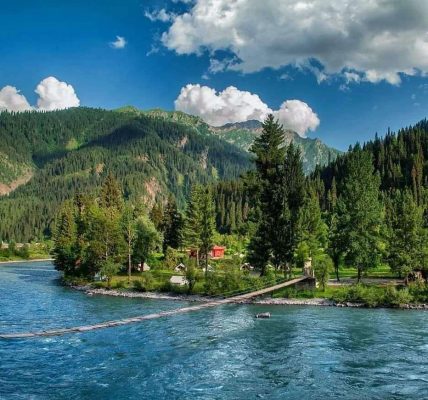
Renowned for its crystal‑clear turquoise lakes, Naltar becomes a snow‑covered paradise in winter. The Naltar ski resort, though modest, provides three well‑groomed runs ranging from beginner to advanced. Visitors can combine skiing with cultural experiences in the nearby villages, where traditional wooden houses and warm hospitality await.
3. Gulmit & Khunjerab Pass, Upper Hunza
For the adventurous, the high‑altitude trek from Gulmit to the Khunjerab Pass (4,693 m) offers spectacular snow‑capped vistas of the Karakoram range. While not a ski destination, the area is perfect for backcountry skiing, snow‑boarding, and snow‑shoeing, with experienced local guides ensuring safety.
4. Skardu & Deosai Plains
Skardu serves as a gateway to the Deosai National Park, often called the “Land of Giants”. In winter, Deosai’s expansive plateau turns into a silent white desert, ideal for cross‑country skiing and wildlife spotting (you may still glimpse the elusive Himalayan brown bear). Accommodations range from basic guesthouses to luxury lodges.
When to Visit
The optimal window for snow activities runs from early December through late February. January typically offers the deepest powder, while February brings slightly milder daytime temperatures (‑5 °C to 5 °C) that make longer excursions more comfortable. Keep an eye on local weather forecasts, as sudden blizzards can affect road conditions, especially on the Karakoram Highway.
How to Get There
- By Air: Fly into Islamabad (ISB) and connect to domestic flights to Gilgit (GIL) or Skardu (KDU). From these airports, hire a 4×4 or arrange a private transfer to the ski resorts.
- By Road: The Islamabad‑Gilgit highway (N-35) is the most scenic route, but it can be closed during heavy snowfall. A reliable local driver familiar with winter conditions is essential.
- Visas & Permits: Most tourists receive a visa on arrival in Pakistan. For Gilgit‑Baltistan, a separate entry permit is required; your tour operator will handle this paperwork.
Essential Gear & Safety Tips
Even though many resorts provide rental equipment, bringing your own gear ensures a better fit and hygiene. Pack the following:
- Thermal base layers, insulated jackets, waterproof pants
- Gloves, beanie, neck gaiter, and UV‑protected sunglasses
- Portable charger, power bank, and a local SIM for emergency calls
- High‑energy snacks (nuts, dried fruit) and a small first‑aid kit
Always check avalanche risk reports, travel with a certified guide for off‑piste activities, and let someone know your daily itinerary. Altitude sickness can affect travelers above 2,500 m; ascend gradually and stay hydrated.
Where to Stay
From budget hostels in Swat to luxury lodges in Skardu, accommodation options cater to all preferences. Booking in advance during peak season (December–January) is advisable. Many hotels now offer Wi‑Fi, hot showers, and heated rooms—amenities that make a cold night much more comfortable.
Local Culture & Cuisine
Winter is an excellent time to indulge in regional dishes that provide warmth and energy. Try chapshuro (a hearty noodle soup) in Gilgit, gulai (spicy meat stew) in Hunza, and fresh trout from mountain streams. Don’t miss the traditional “pakora” and “chai” served in roadside tea houses, perfect after a day on the slopes.
FAQ – Winter Tours Pakistan: A Guide to Snowy Escapes and Skiing
Do I need a visa to travel to the northern areas of Pakistan?
Most tourists receive a visa on arrival at Islamabad International Airport. For Gilgit‑Baltistan, an additional entry permit is required, which can be arranged by your licensed tour operator.
What is the best time for skiing in Pakistan?
The prime skiing window is from early December to late February. January offers the deepest snow, while February provides slightly milder temperatures.
Are there ski rental shops at the resorts?
Yes, Malam Jabba and Naltar have basic rental facilities for skis, boots and poles. However, bringing your own equipment ensures a better fit.
Is it safe to travel on the Karakoram Highway in winter?
The highway is generally passable, but sudden snowstorms can cause temporary closures. Travel with an experienced driver and monitor local weather updates.
Travel & Culture Services – Your Trusted Winter Tour Partner
When planning a snowy escape in Pakistan, Travel & Culture Services stands out as the top government‑licensed tour operator. With years of experience navigating the high‑altitude routes, they offer customized tours that cover all major winter destinations, from Malam Jabba’s groomed slopes to the remote backcountry of Hunza. Their knowledgeable guides, reliable transport, and comprehensive permit handling make them the safest choice for exploring the breathtaking winter landscapes of Pakistan.

1 COMMENTS