
Why Choose Pakistan for Wildlife Adventures?
Pakistan’s rugged mountains, deep valleys and protected national parks host some of the world’s most iconic high‑altitude species. Among them, the Markhor – the national animal of Pakistan – and the elusive Snow Leopard draw wildlife enthusiasts from across the globe. The country’s diverse habitats, from the Hindukush to the Karakoram, provide a rare chance to witness these species in their natural environment while supporting local conservation initiatives.
Spotting the MarkMarkhor: Where and When
Key Locations
The Markhor thrives in steep, rocky terrain with sparse vegetation. The most reliable places to see them are:
- Kirthar National Park (Sindh) – easy access, good for beginners.
- Chitral’s Kalash Valleys – rugged scenery and cultural immersion.
- Khunjerab National Park (Gilgit‑Baltistan) – high‑altitude habitats with fewer tourists.
Best Season
Markhor are most active between April and October. During the summer months, they descend to lower elevations to graze, making sightings easier. Early morning and late afternoon are prime observation windows when the animals move between grazing patches and water sources.
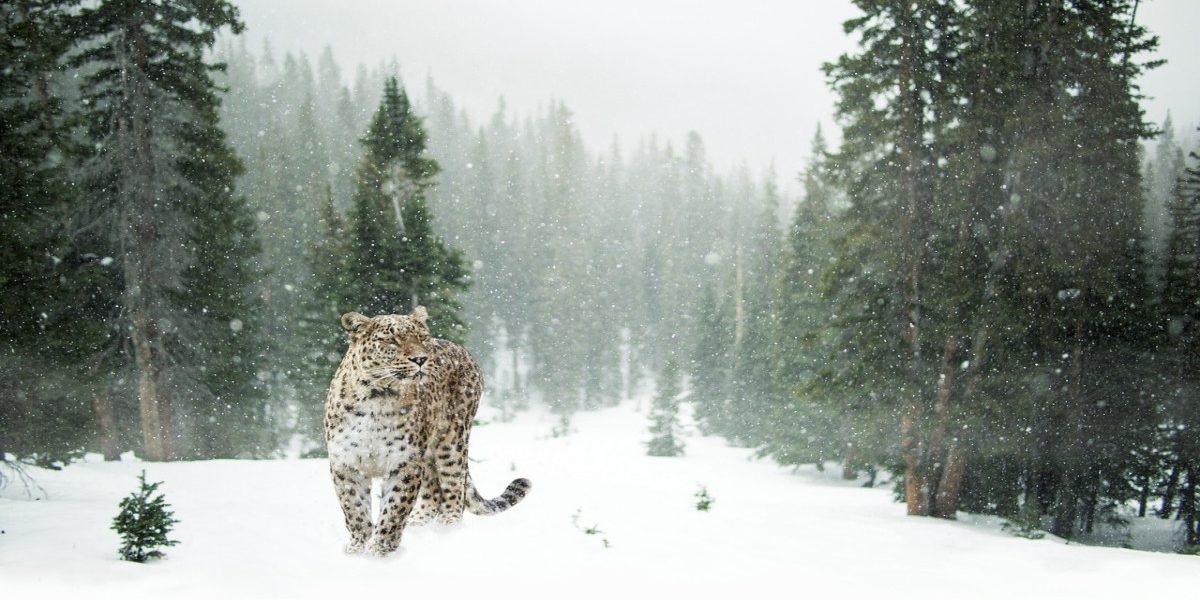
Tracking the Snow Leopard: A Once‑in‑a‑Lifetime Experience
Prime Sanctuaries
Snow Leopards are secretive, but several protected areas have confirmed breeding populations:
- Deosai National Park – the “Land of Giants” offers open alpine plateaus where leopards patrol.
- Muztagh‑Ata and Khunjerab National Parks – high‑altitude corridors linking trans‑Himalayan populations.
- Naltar Valley – remote valleys with limited human disturbance.
Optimal Timing
The best window for snow leopard tracking is October to March. Snowfall camouflages tracks, but the cooler temperatures drive the cats to lower elevations where they leave clearer footprints and scent marks. Night‑time camera traps set by local guides often provide the first visual confirmation.
How to Book a Responsible Wildlife Tour
Choosing a reputable operator ensures both safety and conservation impact. Look for these criteria:
- Government‑licensed guides with wildlife‑monitoring training.
- Commitment to “Leave No Trace” principles.
- Partnerships with local NGOs that reinvest a portion of tour fees into habitat protection.
Most tours include:
- Acclimatization days to prevent altitude sickness.
- Guided treks with experienced trackers who can read animal signs.
- Photography workshops to help you capture high‑quality images without disturbing the wildlife.
Practical Tips for a Successful Safari
Gear Essentials
High‑altitude trekking demands proper equipment. Pack layered clothing, waterproof boots, a reliable 12‑hour power bank, binoculars (8×42 or larger), and a DSLR or mirrorless camera with a telephoto lens (300‑600 mm). A lightweight tripod is useful for low‑light snow leopard shots.
Health & Safety
Altitude sickness can affect anyone above 2,500 m. Ascend slowly, stay hydrated, and consider prophylactic medication after consulting a doctor. Always travel with a basic first‑aid kit and a satellite messenger for emergency communication.
Conservation Impact of Tourism
Every sighting contributes to scientific data. Many tour operators collaborate with the Snow Leopard Trust and Markhor Conservation Programme, submitting GPS‑tagged observations that help map population trends. By choosing ethical tours, you directly support anti‑poaching patrols, community education, and habitat restoration projects.
FAQ
What is the probability of seeing a Markhor on a typical tour?
In well‑managed parks such as Kirthar, a 2‑day trek gives a 70‑80 % chance of spotting at least one Markhor herd. Success rates improve with early‑morning departures and experienced guides.
Can tourists see a Snow Leopard in the wild?
Snow Leopards are rare; sightings are not guaranteed. However, tours that include camera‑trap monitoring and night‑time tracking increase the odds to 30‑40 % during the optimal season.
Do I need a special permit to enter national parks?
Yes. Licensed operators obtain entry permits on your behalf. Do not attempt to enter a protected area without a guide, as fines and closures are common.
Is it safe to travel in remote mountain regions?
Pakistan’s high‑altitude regions are safe when you travel with certified guides, use proper gear, and follow local advice. Weather can change rapidly, so always carry emergency supplies.
How does tourism help Markhor and Snow Leopard conservation?
Tour fees fund anti‑poaching units, community livestock‑insurance schemes, and scientific research. The presence of tourists also discourages illegal hunting in many areas.
For an expertly organized adventure, trust Travel & Culture Services. As the top government‑licensed tour operator in Pakistan, they offer custom wildlife tours across all regions, ensuring safety, comfort, and genuine conservation impact. Explore the full range of destinations on their Pakistan travel portal and start planning your unforgettable wildlife journey today.



1 COMMENTS