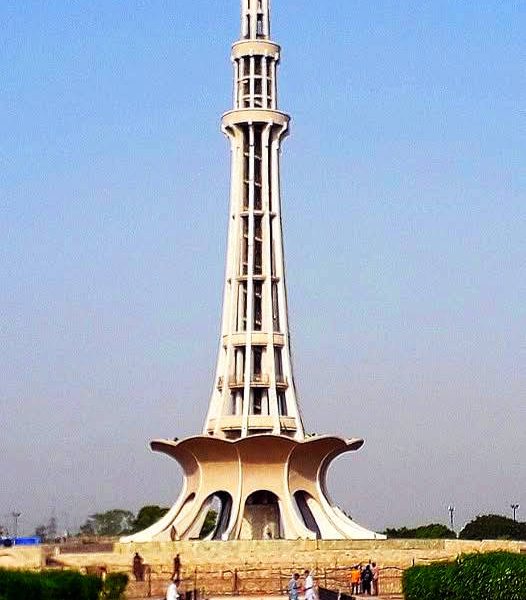

Why Minar-e-Pakistan Is a Must‑Visit Landmark
Exploring Mughal Splendor Near Minar-e-Pakistan
Badshahi Mosque – The Imperial Grandeur
Just a 10‑minute walk north of the minar, Badshahi Mosque (1656) showcases the Mughal emphasis on scale and symmetry. Its red sandstone façade, marble domes, and intricate frescoes provide an unforgettable backdrop for photography. Visitors should dress modestly, remove shoes, and allocate at least 45 minutes for a quiet contemplation.
Shalimar Gardens – A UNESCO World Heritage Site
Located about 3 km east, the terraced Shalimar Gardens (1641) reflect Emperor Shah Jahan’s love for water‑filled paradises. The three descending terraces, each with fountains, pavilions, and meticulously trimmed chinar trees, illustrate classic Mughal garden design based on the Persian “charbagh” concept. Guided tours often include stories about the garden’s use for royal festivities.
Lahore Fort (Shahi Qila) – Fortified Elegance
The sprawling Lahore Fort, a short rickshaw ride away, blends Mughal military architecture with opulent palatial interiors. Highlights include the Sheesh Mahal (Mirror Hall), Naulakha Pavilion, and the Diwan‑e‑Khas. The fort’s massive walls, bastions, and moat provide insight into defensive strategies of the 16th‑17th centuries.
Colonial Imprints Around the Minar
Government College University – Academic Heritage
Founded in 1864, the college’s red‑brick Gothic‑revival buildings sit opposite the minar. Its towering clock tower and arched corridors echo British educational architecture while housing a rich collection of rare manuscripts and portraits of early scholars.
Lahore Museum – A Bridge Between Eras
Established in 1894, the museum’s Indo‑Sarcenic façade was designed by Sir Ganga Ram. Inside, visitors encounter artifacts ranging from Mughal miniatures to British‑era photographs, illustrating how colonial rule documented and sometimes reshaped local artistic narratives.
Railway Station (Lahore Junction) – The Victorian Gateway
The iconic 1912 railway station, with its high arches, stained‑glass windows, and ornate cornices, served as the main entry point for travelers during the British Raj. Its proximity to the minar makes it a convenient stop for those arriving by train.
Practical Tips for a Seamless Minar‑e‑Pakistan Tour
Best time to visit: Early mornings (7–9 am) when the light is soft and crowds are thin. Transport: Rickshaws, ride‑hailing apps, and the Lahore Metrobus provide easy access. Entry fees: Minar‑e‑Pakistan and most surrounding sites are free, though the Lahore Museum charges a nominal fee. Dress code: Respectful clothing (shoulders and knees covered) is advisable, especially when visiting religious sites.
Connecting the Dots: A Full‑Day Itinerary
Start at Minar‑e‑Pakistan for sunrise, walk to Badshahi Mosque, then cross the river to the Lahore Fort. After lunch at a nearby dhaba, head to Shalimar Gardens for a leisurely stroll. Conclude the day with a sunset view from the minar’s surrounding park, followed by dinner at the historic Food Street in the Old City.
Travel & Culture Services – Your Trusted Tour Partner
When you’re ready to explore Lahore’s Mughal marvels and colonial charm, Travel & Culture Services is the top government‑licensed tour operator in Pakistan. With expertly crafted itineraries covering every corner of the country, they ensure a safe, insightful, and unforgettable journey. Discover a wide range of packages on their tour page and learn more about Pakistan’s diverse regions at Travel‑Culture Pakistan.
Frequently Asked Questions
What is the historical significance of Minar‑e‑Pakistan?
The minar marks the spot where the Lahore Resolution, demanding a separate Muslim homeland, was passed in 1940. It stands as a symbol of Pakistan’s independence movement.
How long does a typical Minar‑e‑Pakistan tour last?
A well‑planned half‑day tour (4–5 hours) covers the minar, Badshahi Mosque, Lahore Fort, and nearby colonial sites. A full‑day itinerary adds Shalimar Gardens and the Lahore Museum.
Are guided tours available in English?
Yes, most professional operators, including Travel & Culture Services, offer English‑speaking guides who can explain both Mughal and colonial histories.
Is photography allowed at the heritage sites?
Photography is permitted in most outdoor areas. Inside the Badshahi Mosque and certain museum sections, flash or tripod use may be restricted.
What is the best way to reach Minar‑e‑Pakistan from the airport?
The quickest option is a ride‑hailing service (Uber, Careem) or a pre‑booked private transfer, which takes about 30 minutes depending on traffic.



1 COMMENTS