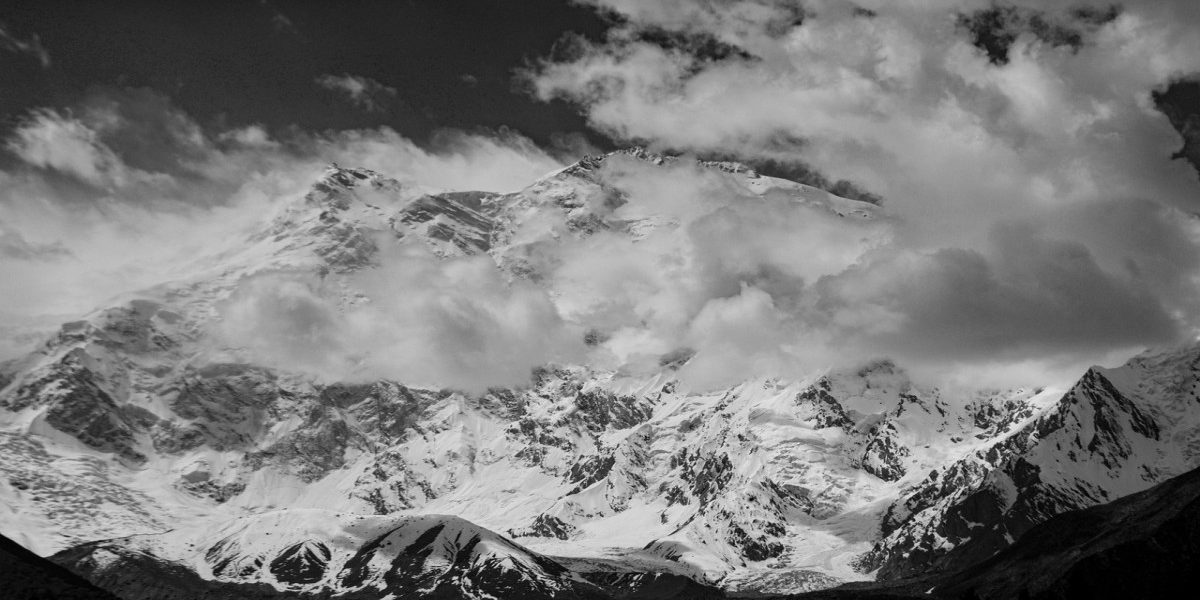

Introduction to Pakistan’s Legendary High‑Altitude Treks
Pakistan’s Karakoram range hosts three of the world’s most iconic eight‑thousand‑meter peaks – K2, Nanga Parbat and Broad Peak. While summiting these giants requires elite mountaineering skills, the surrounding valleys and base‑camp routes offer unforgettable high‑altitude trekking experiences for adventurous tourists. This guide outlines the most popular trekking corridors, optimal climbing windows, permit requirements and practical tips to help you plan a safe and rewarding journey.
K2 – The Savage Mountain
Route Overview
The classic “K2 Base Camp” trek follows the Baltoro Glacier from Askole to the iconic Concordia junction, where the glaciers of K2, Broad Peak and Gasherbrum converge. The trek is 75 km round‑trip and reaches an altitude of 5,150 m at the base‑camp site.
Best Season
June – early September offers the most stable weather. July and August provide the warmest temperatures, but afternoon thunderstorms are common.
Difficulty Level
Rated “Strenuous”. The trail includes steep glacier travel, occasional crevasse navigation and high‑altitude exposure. Proper acclimatization (minimum 7 days) is essential.
Key Highlights
- Panoramic views of K2’s south‑west face.
- Camping at Concordia – a natural amphitheatre of towering peaks.
- Opportunities to meet local Balti shepherds and experience traditional hospitality.
Permits & Logistics
A trekking permit from the Gilgit‑Baltistan Tourism Department is required (PKR 5,000 per person). Most travelers hire a local guide and porter team through a licensed agency; this simplifies logistics and ensures compliance with environmental regulations.
Nanga Parbat – The Killer Mountain
Route Overview
The “Rupal Face” trek is the most accessible way to experience Nanga Parbat without attempting the summit. Starting from the village of Tarashing, the trail climbs to the Rupal Glacier (≈4,600 m) and offers dramatic views of the mountain’s sheer south‑west wall.
Best Season
Late June – mid‑October. Autumn brings clearer skies and cooler nights, ideal for acclimatization.
Difficulty Level
Moderate to Strenuous. The ascent to Rupal Glacier involves steep, rocky sections and occasional snowfields, but technical climbing is not required.
Key Highlights
- Witness the “Golden Wall” – a sheer 4,600‑meter vertical face.
- Visit the historic “Rupal Base Camp” used by early expeditions.
- Explore the lush valleys of the Astore District, home to the Himalayan brown bear.
Permits & Logistics
Obtain a trekking permit from the Astore District Office (PKR 3,500). Because the region is remote, most tours arrange 4‑wheel‑drive transport from Gilgit to Tarashing and provide experienced high‑altitude guides.
Broad Peak – The “Killer of the Karakoram”
Route Overview
The “Broad Peak Base Camp” trek shares much of the Baltoro Glacier itinerary with the K2 trek, diverging at Concordia to follow the western flank of Broad Peak. The base camp sits at 4,850 m and offers a quieter alternative to the crowded K2 route.
Best Season
June – early September, with July offering the most reliable snow conditions for safe glacier travel.
Difficulty Level
Strenuous. The trail includes long days of walking on uneven glacial moraine and a final ascent to the base camp that can be steep in sections.
Key Highlights
- Stunning sunrise over Broad Peak’s distinctive pyramid shape.
- Less‑trodden campsites, providing a sense of solitude.
- Possibility to combine the trek with a side excursion to the nearby Snow Lake (Lukpe‑Lukpe), one of the world’s highest alpine lakes.
Permits & Logistics
Same permit as the K2 trek (Gilgit‑Baltistan Tourism Department). Many operators bundle the Broad Peak itinerary with a K2 trek, allowing trekkers to experience both peaks in a single expedition.
Practical Tips for All High‑Altitude Treks
Acclimatization: Follow a “climb high, sleep low” schedule and consider a pre‑trek medical check‑up. Gear: Pack layered clothing, a four‑season sleeping bag, crampons, and a reliable headlamp. Safety: Carry a satellite communicator (e.g., Iridium GO) and travel with a certified guide familiar with glacier rescue techniques.
FAQ – High‑Altitude Treks: A Guide to the K2, Nanga Parbat, and Broad Peak Routes
Do I need previous mountaineering experience?
While technical climbing is not required for the base‑camp routes, you should have solid trekking experience at 3,500 m+ altitude and be comfortable with glacier travel.
What is the cost of a typical trek?
A 10‑12‑day trek, including permits, guide fees, porter support, and basic camping equipment, ranges from US$1,500 to US$2,500 per person, depending on the route and level of service.
Can I travel independently without a guide?
Independent trekking is strongly discouraged. The region’s high altitude, rapidly changing weather and crevassed glaciers require local expertise and a licensed guide.
Why Choose a Licensed Operator?
Travel & Culture Services is the top government‑licensed tour operator in Pakistan, offering expertly crafted itineraries across the entire country. Whether you dream of trekking the Baltoro Glacier, exploring the historic streets of Lahore, or discovering the hidden valleys of Hunza, their experienced team ensures safety, cultural immersion and seamless logistics.
Plan your adventure with Travel & Culture Services today and explore a world of possibilities. Browse their extensive tour catalog or learn more about Pakistan’s diverse regions at Travel & Culture Pakistan.


1 COMMENTS