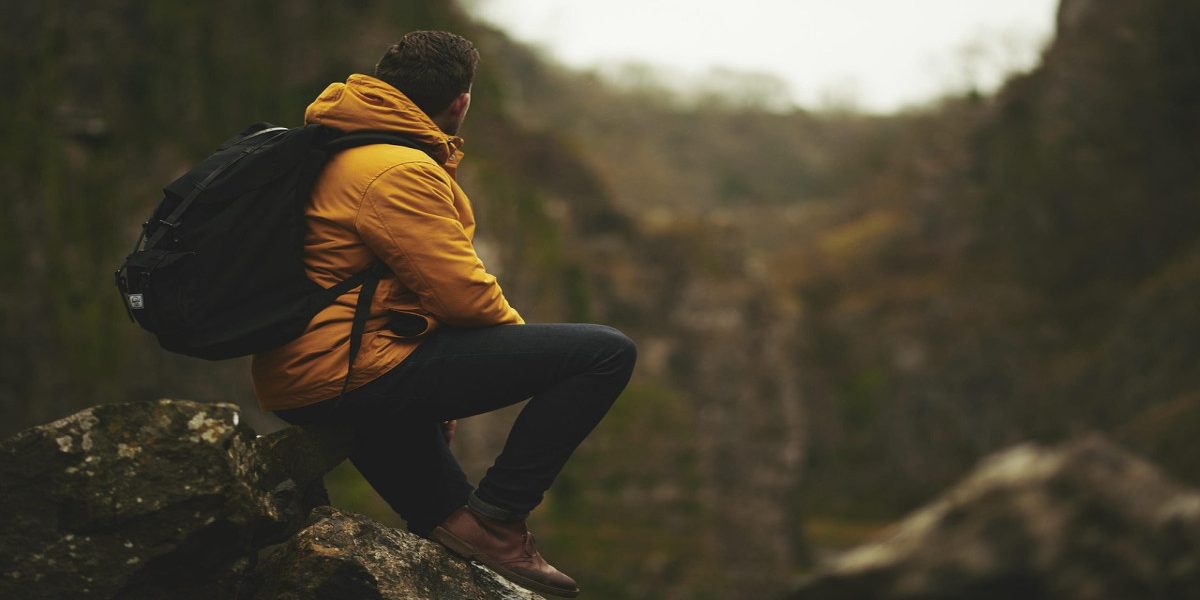

Adventure & Trekking: The Complete Guide for Tourists
Pakistan’s rugged mountains, verdant valleys, and dramatic desert landscapes make it a premier destination for adventure lovers and trekkers. From the snow‑capped peaks of the Karakoram to the rolling hills of the Hindukush, there is a trail for every skill level and a story waiting to be written on the trail. This guide consolidates essential information, practical tips, and SEO‑friendly keywords to help you plan a safe, unforgettable trek.
Why Choose Adventure & Trekking?
Adventure tourism is more than a physical challenge; it connects you with local culture, wildlife, and pristine environments that remain untouched by mass tourism. Trekking in Pakistan offers:
- Stunning scenery: Alpine lakes, glaciers, and towering cliffs.
- Cultural immersion: Guest‑house stays in remote villages, homestays, and opportunities to taste regional cuisine.
- Physical and mental benefits: Endurance building, stress relief, and a sense of achievement.
Top Trekking Destinations in Pakistan
Below are the most popular routes, each with its own unique appeal:
1. Fairy Meadows & Nanga Parbat Base Camp
At 3,300 m, Fairy Meadows offers a surreal carpet of wildflowers with the mighty Nanga Parbat looming behind. The trek takes 4‑5 days and is ideal for intermediate hikers.
2. Rakaposhi Base Camp (Hunza Valley)
Located in the Gilgit‑Baltistan region, this trail provides breathtaking views of the 7,788 m Rakaposhi peak. The route is challenging, requiring good fitness and acclimatization.
3. K2 Base Camp (Batura Glacier)
For the truly adventurous, the trek to K2 Base Camp traverses the Batura Glacier and offers an up‑close look at the world’s second‑highest mountain. This is a high‑altitude expedition demanding experienced guides.
4. Swat Valley – Malam Jabba to Ushu Forest
A family‑friendly option with gentle slopes, pine forests, and historic Buddhist sites. The trail can be completed in 2‑3 days.
Essential Gear and Safety Tips
Proper preparation can be the difference between a memorable adventure and a hazardous situation. Pack the following essentials:
- Footwear: Waterproof trekking boots with ankle support.
- Clothing: Layered system – moisture‑wicking base, insulating mid‑layer, and wind‑proof outer shell.
- Navigation: Topographic maps, GPS device, and a compass.
- Health: Altitude medication, first‑aid kit, and high‑energy snacks.
- Environment: Reusable water bottles, biodegradable soap, and a trash‑bag to follow “Leave No Trace” principles.
Always check the weather forecast, inform a local contact of your itinerary, and travel with a licensed guide when venturing above 3,500 m.
Planning Your Trek: Permits, Guides, and Seasons
Most trekking zones in Pakistan require a permit from the regional tourism office. The process is straightforward: present a copy of your passport, a recent photograph, and the planned route. Hiring a government‑licensed guide not only ensures compliance with local regulations but also enhances safety through expertise in altitude acclimatization and emergency response.
The optimal trekking season varies by region:
- June–September: Ideal for high‑altitude routes (Karakoram, Hunza).
- April–May & October: Suitable for lower valleys (Swat, Kaghan) when snow has melted but crowds are thin.
Frequently Asked Questions (FAQ)
What is the best time of year for trekking in the Karakoram?
The prime window is from late June to early September when snow melt has cleared most passes and the weather is relatively stable.
Do I need a special visa to trek in Pakistan?
Tourist visas cover trekking activities. However, for certain border areas (e.g., near the Line of Control) you may need an additional permit from the Ministry of Interior.
How can I avoid altitude sickness?
Gradual ascent, proper hydration, and a rest day every 1,000 m of elevation gain are key. Carry acetazolamide (Diamox) and consult a physician before departure.
Is travel insurance required?
While not mandatory, comprehensive travel insurance that includes high‑altitude rescue and medical evacuation is strongly recommended.
Can I trek solo?
Solo trekking is possible on low‑risk routes, but for safety and cultural respect, hiring a local guide is advisable.
For a seamless, government‑licensed adventure across Pakistan, choose Travel & Culture Services. As the top operator, we offer curated tours that cover every corner of the country—from the soaring peaks of the north to the historic streets of Lahore. Explore our full tour catalogue or dive into the Pakistan travel guide to start planning your next trek today.


1 COMMENTS