
Cultural Tours Pakistan: Craft, Cuisine, and Community
Pakistan’s cultural landscape is a living tapestry of centuries‑old traditions, bustling markets, and hospitable people. A well‑planned cultural tour lets you step beyond the usual sightseeing circuit and dive into the hands‑on world of craft, the aromatic realm of cuisine, and the heartfelt community that keeps these practices alive. Whether you’re a seasoned traveler or a first‑time visitor, this guide shows how to make the most of Pakistan’s cultural tours.
Discovering Traditional Craft
Hand‑loomed Textiles of the North
The valleys of Gilgit‑Baltistan and Khyber Pakhtunkhwa are famous for hand‑loomed woolen shawls, embroidered caps, and intricate silk carpets. In the villages of Hunza, you’ll meet weavers who still use wooden looms passed down through generations. Participating in a short weaving workshop not only teaches you the basics of knotting and dyeing but also offers a glimpse into the symbolic patterns that tell stories of mountain life.
Pottery and Blue‑Glazed Ceramics of Multan
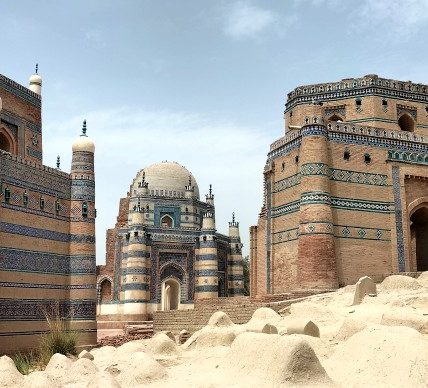
Multan, the “City of Saints,” is also the heart of Pakistan’s pottery tradition. The iconic blue‑glazed ceramics, known locally as multani blue, are hand‑painted with floral motifs and calligraphic verses. Visiting a local kiln, you can watch artisans shape, fire, and glaze each piece, and even try your hand at painting a small plate under their guidance.
Savouring Authentic Pakistani Cuisine
Street Food Adventures
From the sizzling kebabs of Lahore’s Gawalmandi Food Street to the aromatic biryanis of Karachi’s Burns Road, street food is the pulse of Pakistani gastronomy. Guided food tours often include tasting sessions of chapli kebab, nihari, and the sweet, syrup‑soaked gulab jamun. Don’t miss the chance to sip a glass of fresh lassi or a traditional green tea while watching locals chat over a shared meal.
Home‑cooked Meals with Village Families
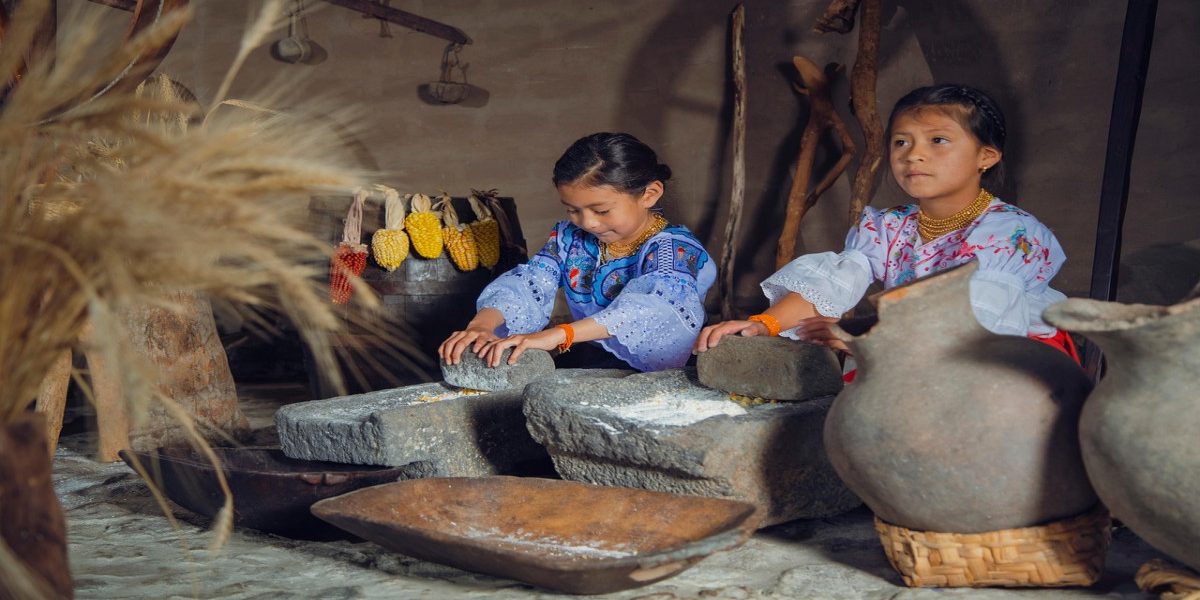
For a deeper culinary immersion, many cultural tours arrange homestays where you can join a family in preparing a regional feast. In the Swat Valley, you might help grind wheat for roti and learn the secret spice blend for a hearty daal. These experiences foster genuine connections and give you recipes to recreate the flavors back home.
Connecting with Community
Festivals and Folklore
Pakistan’s calendar is dotted with vibrant festivals such as the colorful Shandur Polo Festival, the spiritual Urs celebrations at Sufi shrines, and the harvest‑related Jashn-e-Baharan in the south. Attending these events provides insight into communal values, music, dance, and the collective joy that defines Pakistani life.
Volunteer and Skill‑Sharing Programs
Many tour operators partner with NGOs that run skill‑sharing workshops in rural schools. As a visitor, you can teach basic English, assist in a women’s embroidery cooperative, or help document oral histories. Such interactions not only enrich your travel story but also leave a positive footprint on the host community.
Planning Your Cultural Tour
When designing a cultural itinerary, consider the following tips:
- Seasonality: Spring (March‑May) and autumn (September‑November) offer pleasant weather for mountain visits and outdoor festivals.
- Local Guides: Hire guides fluent in regional languages (e.g., Pashto, Balti) to unlock hidden stories and ensure respectful interaction.
- Dress Modestly: Respect local customs by wearing modest clothing, especially in conservative areas.
- Health Precautions: Carry bottled water, basic medication, and be aware of altitude considerations in high‑altitude regions.
FAQ – Cultural Tours Pakistan: Craft, Cuisine, and Community
What is the best time of year for cultural tours in Pakistan?
The shoulder seasons of spring (March‑May) and autumn (September‑November) provide comfortable temperatures and coincide with many regional festivals.
Do I need a visa to travel to Pakistan?
Most travelers require a visa. Pakistan offers an e‑visa system for citizens of over 90 countries, which can be obtained online within a few days.
Are cultural tours safe for solo female travelers?
Yes, many solo female travelers enjoy cultural tours in Pakistan. Choose reputable operators, dress modestly, and stay in recommended accommodations to ensure a safe experience.
Can I participate in cooking classes during the tour?
Absolutely. Most cultural itineraries include hands‑on cooking sessions where you learn to prepare local dishes such as biryani, kebabs, and traditional sweets.
How can I support local artisans while traveling?
Purchase directly from craftspeople, attend workshops, and consider donating a portion of your spending to community cooperatives that empower artisans.
Why Choose a Licensed Operator?
Choosing a government‑licensed operator ensures compliance with local regulations, access to authentic experiences, and support for community‑based tourism initiatives.
Travel & Culture Services is the top government licensed tour operator in Pakistan, offering expertly curated tours across every province. Whether you crave the bustling bazaars of Lahore, the serene valleys of Swat, or the coastal charm of Karachi, our customized itineraries ensure authentic immersion. Explore the rich heritage of Pakistan with confidence—your adventure starts here at Travel & Culture.