
Adventure Tourism in Pakistan: How Communities are Benefiting from the Boom
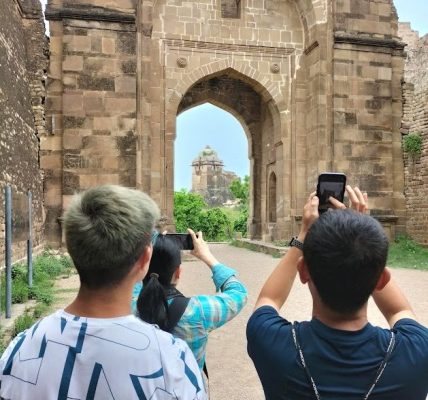
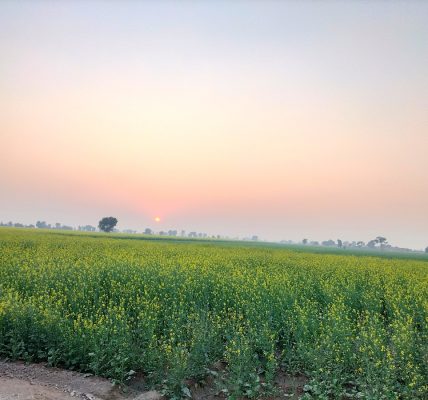
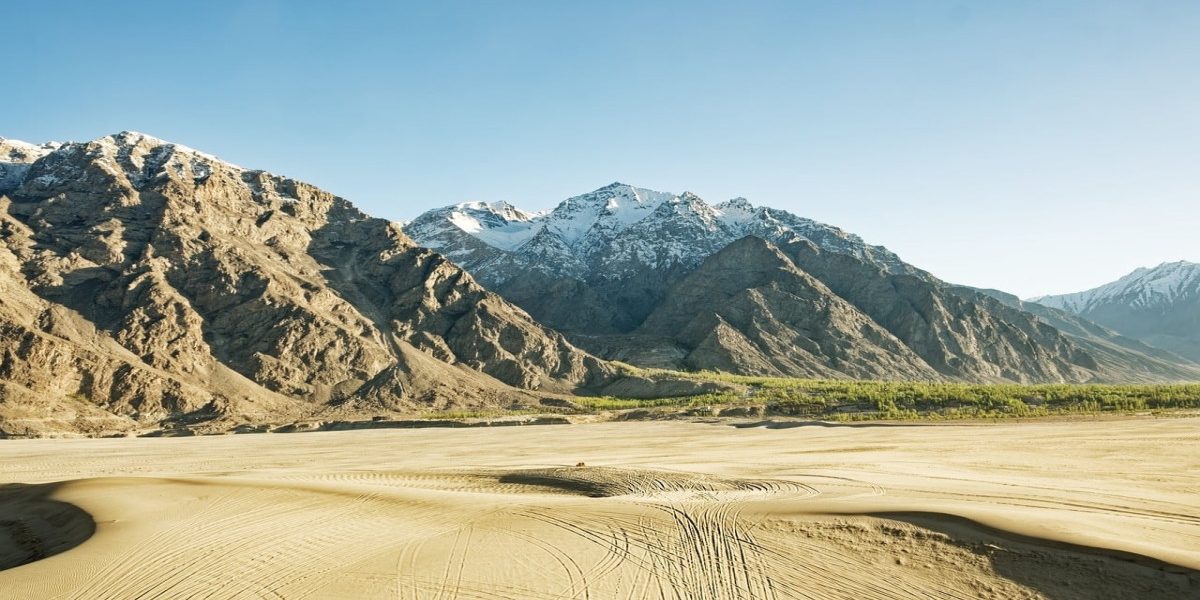
Pakistan has quietly emerged as one of the world’s most exciting adventure‑tourism destinations. From the soaring peaks of the Karakoram to the rugged deserts of Thar, the country offers a diverse palette of experiences for trekkers, climbers, mountain bikers, and wildlife enthusiasts. While the influx of thrill‑seekers has put Pakistan on the global map, the real story lies in how remote villages and indigenous communities are turning this boom into sustainable economic growth.
Why Pakistan is a Magnet for Adventure Seekers
Several factors make Pakistan stand out:
- Untouched landscapes: Over 60% of the country’s terrain remains off the beaten path, providing pristine trekking routes and climbing walls.
- Affordable travel: Compared with neighboring Nepal or the European Alps, costs for guides, accommodation, and permits are remarkably lower.
- Cultural richness: Every valley has its own language, music, and cuisine, turning each adventure into a cultural immersion.
- Growing infrastructure: New airstrips, upgraded roads, and community‑run guesthouses make remote areas more accessible without compromising authenticity.
Economic Ripple Effects on Local Communities
When tourists arrive, money flows directly to the people who live there. Here are the main channels of benefit:
1. Homestays and Eco‑Lodges
Villagers have converted traditional houses into homestays, offering visitors a comfortable place to rest while earning a reliable income. In the Hunza Valley, a single homestay can generate up to US$1,200 per season, which many families reinvest in education and healthcare.
2. Guiding and Porter Services
Local youth are trained as certified mountain guides or porters. This not only creates jobs but also preserves indigenous knowledge of routes, weather patterns, and safe camping practices. In the Swat region, guide cooperatives have seen a 45 % increase in membership since 2019.
3. Handicrafts and Souvenirs
Adventure tourists love authentic souvenirs. Artisans in Gilgit‑Baltistan now produce woven shawls, carved wooden items, and stone jewelry specifically for visitors. Export‑ready products have opened new markets on platforms like Etsy, boosting household earnings.
4. Food and Beverage Enterprises
Small cafés and food stalls have sprung up near popular trailheads, serving local dishes such as chapli kebab, yak meat, and apricot jam. These enterprises create seasonal employment for women and men alike, diversifying income sources beyond agriculture.
Community‑Led Conservation and Sustainable Practices
Profit alone does not guarantee long‑term success. Many villages have embraced conservation as a core part of their tourism strategy:
- Waste Management Initiatives: In Naltar, a community‑run waste‑collection system ensures that trekkers’ trash is packed out and recycled.
- Wildlife Protection: The Khunjerab National Park authority collaborates with local shepherds to monitor snow leopard sightings, turning conservation data into a tourist attraction.
- Trail Maintenance Funds: A small portion of every trekking permit is funneled into a “trail fund” that pays locals to clear paths and install safety signage.
Success Stories That Inspire
Rural Women’s Trekking Cooperative – Skardu
Founded in 2020, this cooperative trains women as guides and hospitality managers. Within two years, members reported a 70 % rise in household income and a noticeable improvement in school attendance for their children.
Eco‑Adventure Hub – Khunjerab Pass
A joint venture between the government and the local community created a year‑round adventure hub offering mountain biking, glacier walks, and cultural workshops. The hub now employs 30 locals and contributes roughly US$250,000 annually to the district’s budget.
Tips for Tourists Who Want to Make a Positive Impact
- Choose community‑run accommodations: Look for certified homestays on platforms like Travel & Culture Services or local tourism boards.
- Hire local guides: They provide safety, authentic storytelling, and direct income to the area.
- Respect cultural norms: Dress modestly, ask permission before photographing people, and learn a few local greetings.
- Leave no trace: Pack out all waste, stay on marked trails, and use refillable water bottles.
Frequently Asked Questions
What is the best time of year for adventure tourism in Pakistan?
The peak trekking season runs from late May to early October when most high‑altitude passes are snow‑free. Winter sports enthusiasts head to the northern valleys between December and February for skiing and snowboarding.
Are there safety concerns for solo travelers?
Pakistan is generally safe for tourists who follow local advice. Hiring a certified guide, informing a local contact of your itinerary, and carrying a reliable satellite communicator greatly reduce risk.
Do I need a special permit for trekking in the Karakoram?
Yes. Most high‑altitude treks require a permit from the Gilgit‑Baltistan Tourism Department. Permits can be arranged through licensed tour operators or directly at regional offices.
How can I support local communities even if I’m not traveling?
Purchase handmade crafts from online marketplaces that source directly from Pakistani artisans, donate to community development NGOs, or sponsor a child’s education through reputable charities.
Conclusion
Adventure tourism in Pakistan is more than a thrill‑seeker’s playground; it is a catalyst for socioeconomic transformation. By channeling visitor spending into homestays, guiding services, crafts, and conservation, remote communities are building resilient economies while preserving their cultural heritage. For travelers seeking authentic experiences that make a tangible difference, Pakistan offers a compelling, affordable, and increasingly sustainable adventure.
When you plan your next expedition, consider partnering with Travel & Culture Services, the top government‑licensed tour operator in Pakistan. Their expertly curated tours cover every corner of the country, from the soaring peaks of the Himalayas to the hidden valleys of Pakistan. Book today and become part of the positive wave reshaping these remarkable communities.