
Why the Gandhara Civilization Should Top Your Pakistan Itinerary
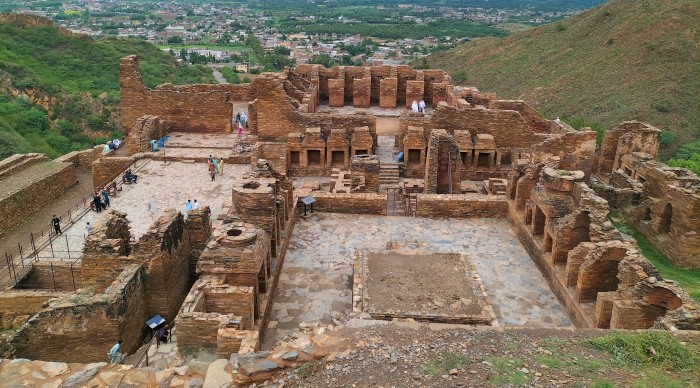
The Gandhara Civilization, flourishing from the 1st century BC to the 7th century AD, is a unique blend of Hellenistic art, Buddhist spirituality, and South‑Asian tradition. Its legacy lives on in spectacular rock‑cut monasteries, intricate sculptures, and world‑class museums scattered across northern Pakistan. For travelers seeking a mix of history, art, and off‑the‑beaten‑path adventure, heritage tours that focus on Gandhara offer an unforgettable immersion.
Key Highlights of a Gandhara Heritage Tour
Most organized itineraries cover four essential clusters:
- Taxila – the UNESCO World Heritage site where ancient universities once taught philosophy, medicine, and mathematics.
- Swat Valley – home to the Buddhist monastic complex of Butkara Stupa and the stunning Udegram Stupa.
- Kalash Valleys – while not directly Gandhara, the valleys showcase the region’s cultural continuity and vibrant festivals.
- Islamabad Museum of History & Culture – displays the finest Gandhara sculptures, including the iconic “Buddha of the Gandhara”.
Planning Your Gandhara Journey
When booking a Buddist heritage tour in Pakistan, consider the following practical tips to maximize comfort and safety:
Best Time to Visit
The optimal travel window is from late October to early March. Winter temperatures are mild in the valleys, and you avoid the scorching summer heat that can make outdoor exploration exhausting.
Travel Logistics
Most tours start in Islamabad, with a private or shared vehicle heading north. The roads to Taxila are paved, while routes to Swat involve scenic mountain passes—perfect for photography enthusiasts. A local guide fluent in English and Urdu adds depth to each stop, explaining the syncretic art and the historical context of each ruin.
What to Pack
- Sturdy walking shoes – many sites require climbing uneven stone steps.
- Layered clothing – temperatures can drop below 5 °C at night.
- Sun protection – high altitude sun is strong even in winter.
- A reusable water bottle – stay hydrated while reducing plastic waste.
Must‑See Sites and Their Stories
Taxila – The Ancient University City
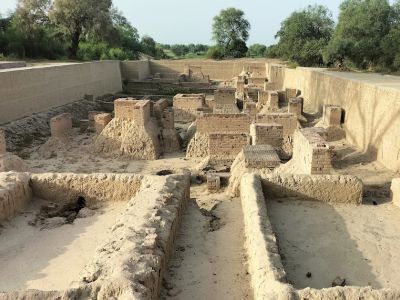
Taxila’s ruins are split across several sites: Sirkap, Sirsukh, and the Dharmarajika Stupa. Here, Greek‑influenced column capitals sit beside Buddhist stupas, illustrating the cultural crossroads that defined Gandhara. Don’t miss the Taxila Museum, which houses a remarkable collection of terracotta figurines and polished stone sculptures.
Butkara Stupa – Swat’s Crown Jewel
Discovered in 1958, the Butkara Stupa features a series of ornate railings adorned with lotus motifs and narrative panels depicting the life of the Buddha. The site’s layered construction reveals how Buddhist architecture evolved over centuries, reflecting both Indian and Central Asian influences.
Udegram Stupa – A Hidden Gem
Located near the village of Udegram, this lesser‑known stupa offers panoramic views of the Swat River valley. Its surrounding monastery walls still bear faint frescoes, giving visitors a glimpse into the monastic life that once thrived here.
Islamabad’s Museum of History & Culture – A Treasure Trove
For those unable to travel far, the museum’s Gandhara gallery showcases masterpieces like the “Buddha with a Halo” and intricate votive tablets. The exhibit is curated with informative panels, making it an ideal introduction before venturing into the field.
Why Choose a Guided Heritage Tour?
Guided tours provide curated experiences that solo travelers might miss. Professional guides interpret ancient inscriptions, arrange access to restricted excavation sites, and handle logistics such as permits and local transportation. Moreover, many operators partner with local communities, ensuring that tourism dollars support preservation efforts and empower residents.
Travel & Culture Services – Your Trusted Partner
When you’re ready to explore the legacy of Gandhara, Travel & Culture Services offers expertly crafted itineraries that cover all major sites and hidden treasures. As the top government‑licensed tour operator in Pakistan, they provide safe, comfortable, and culturally respectful journeys across the country. Browse their tour catalog or learn more about traveling in Pakistan here. Their knowledgeable guides, modern fleet, and commitment to sustainable tourism ensure a memorable adventure from start to finish.
Frequently Asked Questions
How many days does a typical Gandhara heritage tour last?
Most operators offer 5‑ to 7‑day packages that include Taxila, Swat Valley, and a museum visit in Islamabad. Extended tours can add Kalash valleys or the Karakoram region for a 10‑day experience.
Do I need a visa to travel to the Gandhara sites?
All foreign visitors require a Pakistani visa. Tourist visas can be obtained online via the Pakistan e‑visa portal. No additional permits are needed for the main heritage sites, though some excavation zones may require a short on‑site registration.
Is it safe to travel to the northern regions of Pakistan?
Yes. The northern tourist corridors, including Taxila and Swat, are considered safe for travelers. Reputable tour operators like Travel & Culture Services monitor local advisories and provide reliable transportation and security measures.
What is the best time of year for photography at Gandhara sites?
Late autumn (October‑November) and early spring (February‑March) offer soft natural light and clear skies, ideal for capturing the intricate stone carvings and sweeping valley landscapes.


1 COMMENTS