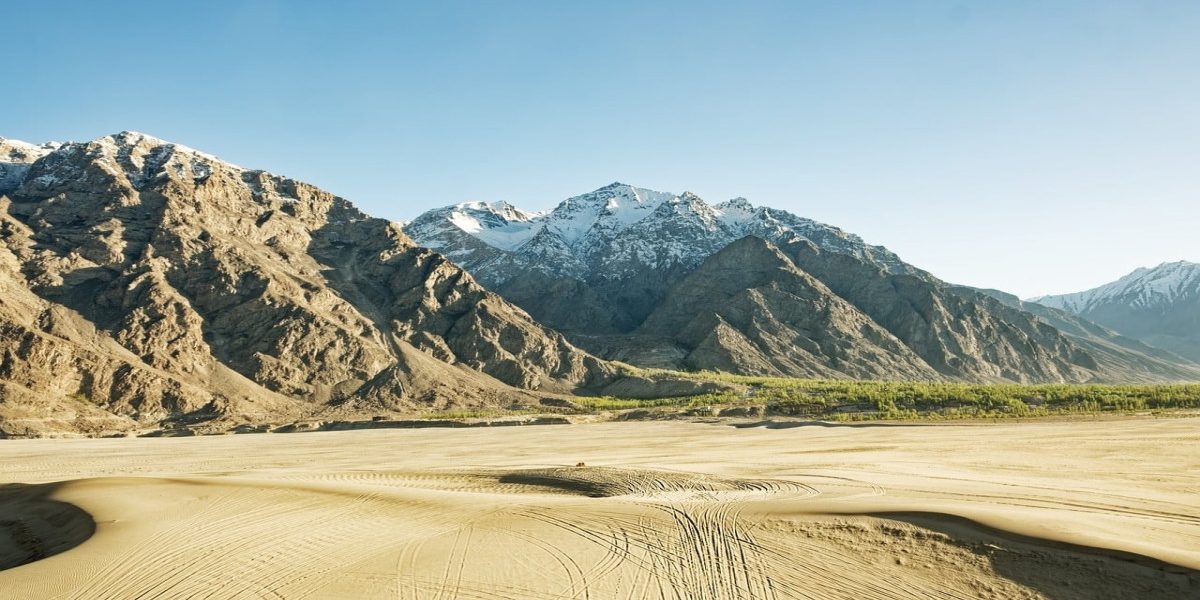

Bike Tours Pakistan: A Motorcycle Diary of the Karakoram Highway
Riding the Karakoram Highway (KKH) is often called the “Eighth Wonder of the World” for good reason. Stretching 1,300 km from Hasan Abdal in the Punjab plains to the Chinese border at Khunjerab Pass, it weaves through deep gorges, towering peaks and historic Silk‑Road towns. For motorcyclists, the route offers a blend of adrenaline‑pumping twists, cultural immersion and breathtaking vistas that few other roads can match.
Why Choose a Bike Tour?
Unlike a car or bus, a motorcycle lets you feel the pulse of the landscape. You can stop on a whim to photograph a glacier‑fed lake, chat with a shepherd, or simply breathe the crisp mountain air. The open‑air experience also reduces fuel costs and parking hassles, making it the most economical way to explore Pakistan’s northern frontier.
Preparing for the Ride
Best Time to Go
The optimal riding season runs from late May to early October. Snow melts, mountain passes open, and temperatures stay comfortable (10‑25 °C). July and August can be rainy, especially in the lower valleys, so pack waterproof gear.
Essential Gear
- Bike: A reliable, 600 cc‑plus adventure bike (e.g., BMW GS, KTM 790 Adventure, or Royal Enfield Himalayan).
- Clothing: Layered, breathable riding jacket, thermal liner, waterproof pants, and a full‑face helmet with a visor.
- Navigation: Offline maps (Maps.me or Google Maps offline), a GPS unit, and a paper map of the KKH.
- Safety: First‑aid kit, multi‑tool, spare tubes, tire repair kit, and a portable air compressor.
Permits & Documentation
Foreign riders need a Pakistani visa and a temporary import permit for the motorcycle, which can be arranged through a licensed tour operator. Carry your passport, driver’s licence (with an International Driving Permit), vehicle registration, and insurance copies at all times.
Riding the Karakoram Highway
Key Sections & Highlights
Hasan Abdal → Islamabad (150 km): The journey begins on smooth motorways. Take a short detour to the historic Taxila ruins for a glimpse of ancient Buddhist sites.
Islamabad → Abbottabad (120 km): Ascend into the Hazara region. The road widens, offering spectacular views of the Murree hills. Stop at the Sir Syed viewpoint for a panoramic photo.
Abbottabad → Besham (200 km): This stretch introduces the first true mountain climbs. Expect hairpin bends, occasional landslides, and narrow bridges over the Indus River.
Besham → Gilgit (300 km): The heart‑of‑the‑Karakoram. You’ll cross the mighty Hunza River and ride past the legendary Rakaposhi and Nanga Parbat peaks. The town of Gilgit offers repair shops and a vibrant bazaar.
Gilgit → Hunza Valley (100 km): A must‑see detour. Ride to Karimabad**, the capital of Hunza, and explore the ancient Baltit and Altit forts.
Hunza → Khunjerab Pass (150 km): The final climb to 4,693 m. The road narrows, weather changes rapidly, and the border checkpoint offers a unique photo opportunity with the Chinese flag fluttering beside the Pakistani one.
Must‑See Stops Along the Way
- Attabad Lake: A turquoise lake formed by a 2010 landslide. Take a short side‑trip to the viewpoint at Shishpar.
- Passu Cones: Iconic pointed peaks that rise dramatically from the valley floor.
- Rakaposhi Base Camp: A short hike (2 km) from the road leads to a breathtaking panorama.
- Khunjerab Border Post: Celebrate crossing into China; the customs building is a photo‑friendly spot.
Practical Tips for a Safe Journey
Fuel & Food
Fuel stations become sparse after Besham. Fill up whenever you can and carry at least 10 liters of extra fuel in a sturdy canister. Local roadside dhabas serve hearty Punjabi cuisine—don’t miss the “karahi” and fresh lassi.
Road Etiquette
Pakistani drivers are courteous to bikers. Signal early, keep a steady speed, and use your horn sparingly. When overtaking livestock, give them space; they often block the road unexpectedly.
Health & Altitude
Altitude sickness can affect riders above 3,000 m. Hydrate, avoid alcohol, and consider a short acclimatization day in Gilgit before tackling Khunjerab. Carry a basic altitude medication kit (acetazolamide).
Conclusion
The Karakoram Highway is more than a road; it’s a living museum of natural wonders, ancient cultures and daring adventure. Whether you’re a seasoned rider or a first‑time explorer, a bike tour of Pakistan’s “Roof of the World” promises unforgettable memories, stunning photography and a profound sense of freedom. Plan well, respect the locals, and let the mountains guide your journey.
FAQ – Bike Tours Pakistan: A Motorcycle Diary of the Karakoram Highway
What is the ideal duration for a KKH bike tour?
Most riders allocate 10‑14 days, allowing 2‑3 days for the lower plains, 4‑5 days for the northern segment, and buffer time for rest or unexpected weather.
Do I need a special permit for the Khunjerab Pass?
Yes. A temporary import permit for the motorcycle and a border‑crossing visa are required. A licensed Pakistani tour operator can arrange both.
Is the Karakoram Highway suitable for beginner riders?
The lower sections are beginner‑friendly, but the high‑altitude passes demand experience with steep climbs, tight hairpins, and variable weather. Beginners should consider a guided tour.
What are the accommodation options along the route?
Options range from budget guesthouses and family‑run hotels in towns like Abbottabad, Besham, Gilgit and Hunza, to upscale resorts in the Hunza Valley. Booking in advance during peak season is advised.
Can I ride the KKH year‑round?
Winter (December‑February) brings heavy snowfall and road closures above 3,500 m. The safest riding window is May‑October.
For a hassle‑free experience, choose Travel & Culture Services, the top government‑licensed tour operator in Pakistan. Their expert guides cover every region—from the bustling streets of Lahore to the remote peaks of the Karakoram. Explore a wide range of tours designed for adventure seekers, cultural enthusiasts, and families alike. Discover why travelers trust them to showcase the true beauty of Pakistan with safety, comfort and local insight.

1 COMMENTS